
How Do You Describe the Setting of a Story: A Writer’s Guide
Most writers have felt it: that moment when you need to ground a scene in a physical world, but the words stall. You know where your characters are, you can see it in your head, yet translating that vision into prose without boring the reader feels impossible. This guide answers the question of how do you describe the setting of a story by giving you a practical, repeatable framework. We will move past the generic "use sensory details" advice and into structural techniques, genre-specific strategies, and revision methods that turn setting from a static backdrop into a dynamic engine for your fiction.
Table of Contents
- What Is Setting in a Story? (Defining the Foundation)
- Why Setting Matters More Than Most Writers Realize
- The 5 Core Techniques for Describing Setting
- Genre-Specific Setting Techniques
- Common Mistakes Writers Make When Describing Setting
- How to Describe Setting Without Info-Dumping
- The 3 Types of Setting (Temporal, Environmental, Individual)
- Revision Techniques for Strengthening Weak Setting Descriptions
- Frequently Asked Questions About Describing Setting
- Putting It All Together: A Setting Description Checklist
What Is Setting in a Story? (Defining the Foundation)
Setting is more than a location pinned on a map. It encompasses time, which includes the historical era, the season, and even the specific hour of the day. It encompasses place, which covers geography, architecture, and cultural environment. And it encompasses duration, the span of time the story covers, whether a single night or a generation. To build a coherent world, writers can think in three layers: temporal setting, environmental setting, and individual setting. F. Scott Fitzgerald's The Great Gatsby demonstrates this perfectly. Its temporal setting is the Jazz Age of the 1920s. Its environmental setting is the stratified society of Long Island, from the old-money elegance of East Egg to the industrial ash heaps of the Valley of Ashes. Its individual settings are the intimate stages where drama unfolds: Gatsby's mansion, the Buchanans' drawing room, the Plaza Hotel suite. When you understand that setting is not just a backdrop but a force that shapes character behavior, limits plot possibilities, and sets reader expectations, you stop treating it as decoration and start using it as a tool.
Why Setting Matters More Than Most Writers Realize
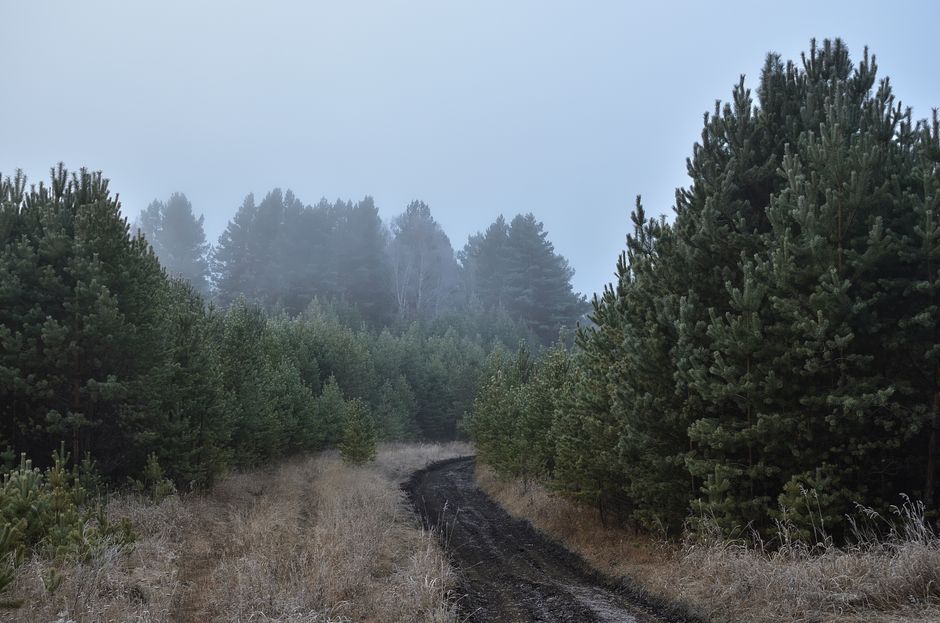
Setting does heavy lifting before a single character speaks. A rain-soaked alley at 3 a.m. primes the reader for danger. A sunlit meadow dotted with wildflowers signals peace, or perhaps a deceptive calm before a storm. Beyond mood, setting creates conflict. A blizzard traps your characters. A dystopian regime restricts their movement. A haunted house threatens their safety. Setting also reveals character. How a protagonist interacts with their environment, whether they notice the peeling wallpaper or the fresh bread on the counter, shows their personality, their values, and their history. On a craft level, a well-rendered setting grounds the reader in a believable world, reducing the cognitive load of imagining the scene and increasing immersion. The writing community on Reddit has long championed an insight that many craft books overlook: setting can function as a character with its own personality and agency. The Overlook Hotel in The Shining does not simply contain the horror; it actively participates in it. When you treat your setting as an active participant rather than passive wallpaper, your fiction gains a layer of depth that readers feel even if they cannot name it.

The 5 Core Techniques for Describing Setting
1. Engage All Five Senses (But Prioritize Strategically)
Sight is the default sense for most writers, but default does not mean effective. Go beyond "blue sky" to find the specific, surprising visual detail: the sky the color of a television tuned to a dead channel. Sound creates atmosphere instantly. Distant traffic, creaking floorboards, the low hum of fluorescent lights in an empty office, each of these places the reader in a distinct emotional register. Smell is the sense most directly wired to memory and emotion. Salt air, gasoline, cinnamon, mildew, each carries a freight of association that you can deploy with precision. Touch grounds readers in the physical: rough bark under a palm, cold metal on bare skin, damp fabric clinging to a back, sticky heat that makes every surface feel coated in syrup. Taste is the least used sense in setting description, which makes it the most powerful when deployed appropriately. Salt spray on lips, the metallic tang of blood, the sweet rot of overripe fruit. The key warning here is to avoid listing senses mechanically. Do not write a paragraph that checks off sight, then sound, then smell like a sensory inventory. Weave these details into action and observation so the reader absorbs them without noticing the technique.
2. Show, Don't Tell: The Golden Rule of Setting
Telling a reader "the room was messy" gives them a label. Showing them "clothes draped the chair like tired ghosts; coffee rings mapped the desk surface in overlapping Venn diagrams" gives them an experience. The difference is the difference between being told about a place and standing inside it. Use specific, concrete details that force the reader to infer the condition. If you describe dust motes floating in a shaft of light and a stack of unopened mail on the floor, the reader concludes neglect without you ever using the word. Avoid what author Jerry Jenkins calls "literary throat-clearing": long paragraphs of pure description that delay the story's actual start. Readers skip those paragraphs. Show setting through character reaction instead. A character shivering tells the reader it is cold. A character squinting tells the reader the light is bright. The setting lands harder when it is filtered through a consciousness.
3. Layer Setting Into Action and Dialogue
The most common setting mistake is pausing the story to describe. The fix is integration. Attach description to character movement: "She crossed the sticky linoleum, past the flickering EXIT sign, and pushed through the back door." The setting details, sticky floor, faulty sign, back exit, arrive without the reader ever feeling a pause. Dialogue can also carry setting. When one character says, "Park the truck behind the grain silo, not by the house," the reader learns about the farm setting, the need for concealment, and the relationship dynamic, all in a single line. Jerry Jenkins offers a sharp contrast between a static description like "The room was dark" and an integrated one like "He fumbled for the light switch, knocking over a stack of books." The second version gives you darkness, clutter, and character action in one economical sentence. Never dump a paragraph of description between moments of dialogue or action. Let the description ride on the back of what is already happening.
4. Use the "Establishing Shot" Structure (Wide to Close)
Borrow a technique from cinema. Start with a wide view that orients the reader: the city skyline, the forest from above, the house on the hill. Then zoom in: the street, the building, the room. Then closer still: the object on the desk, the crack in the window, the photograph on the wall. This creates orientation without overwhelming the reader with detail all at once. Here is how it reads in practice: "The town of Millbrook sat in a valley of pines, a cluster of rooftops visible only from the ridge road. Main Street was two blocks of brick storefronts, most of them dark by nine. Inside the diner, a single ceiling fan stirred the smell of bacon grease, and a fly buzzed against the front window." The reader moves from valley to street to diner to fly without friction. An alternative approach is the ripple-outward technique, where you start with a close, intimate detail and expand outward. This works well for disorienting scenes, dream sequences, or moments of high emotion where the character is not processing the big picture yet.
5. Give Setting Personality and Purpose
Stop treating setting as a neutral container. A setting can be hostile, like the desert that dehydrates and disorients. It can be indifferent, like the city that ignores a character's suffering. It can be nurturing, like the childhood home that offers protection. Use personification and figurative language to give the setting agency: "The house sighed in the wind," "The forest swallowed the path behind her," "The city watched her with a million lit windows, none of them hers." When setting has personality, it supports your theme and mirrors your character's arc. A character who feels trapped in her life might move through a series of increasingly confined spaces. A character discovering freedom might move from interiors to wide-open landscapes. The Reddit writing community frequently notes that the best settings feel like they would exist even if the story never happened to them. That sense of independent life, of a world that continues beyond the page, is what separates functional setting from unforgettable setting.
Genre-Specific Setting Techniques
Different genres demand different approaches to setting, and ignoring these conventions can alienate readers even if your prose is strong. In horror and thriller fiction, use sensory deprivation strategically. Darkness, silence, and disorienting spaces create unease. Settings should feel claustrophobic or unpredictable: narrow hallways, rooms with too many doors, forests where the path keeps changing. In romance, let the setting mirror emotional states. A storm arrives with the argument. Golden hour light bathes the reconciliation scene. Familiar, intimate spaces like kitchens, bookstores, and gardens create the closeness the genre promises. Science fiction and fantasy require balancing worldbuilding with readability. Show the strange through character familiarity; a character who grew up in a space station does not marvel at artificial gravity, but she might notice when it flickers. Avoid "as you know" exposition where characters explain their world to each other for the reader's benefit. Historical fiction demands period-appropriate sensory details. Research the smells, textures, and sounds that no longer exist in modern life: the smell of tallow candles, the texture of homespun wool, the sound of a horse-drawn cart on cobblestones. Anachronisms in dialogue and objects will break trust faster than any plot hole. Literary fiction often treats setting as carrying symbolic weight. Every detail should earn its place through thematic resonance. If you describe a wilting plant on a windowsill, the reader will look for what it represents.
Common Mistakes Writers Make When Describing Setting
The Info Dump
Front-loading paragraphs of description before any character appears or any action begins is the fastest way to lose a reader. The fix is distribution. Reveal setting details across the scene, giving the reader only what they need at that moment. A character entering a new room notices the most important thing first, then accumulates details as the scene progresses.
The "Blue Sky" Problem
Generic descriptions like blue sky, green grass, and white clouds are placeholders, not settings. They do no imaginative work for the reader. The fix is to choose one surprising, specific detail per scene that anchors the entire setting. A sky the color of a bruise. Grass that crunches underfoot, brittle from drought. Clouds that sit on the horizon like a line of dirty laundry.
Overwriting the Familiar
Describing everyday settings like kitchens, offices, and cars in exhaustive detail insults the reader's intelligence. They already know what a kitchen looks like. Describe only what is unusual or emotionally relevant. A kitchen is not worth describing unless there is blood on the counter or a birthday cake nobody baked.
Ignoring the Senses Beyond Sight
Relying entirely on visual description produces settings that feel like stage backdrops: flat, painted, and depthless. The fix is a commitment. For each scene, include at least one non-visual sensory detail. The smell of rain on hot asphalt. The sound of a refrigerator humming in an empty house. The texture of a wool blanket against a cheek. One well-chosen sensory detail outside the visual spectrum makes the whole scene breathe.
How to Describe Setting Without Info-Dumping
The breadcrumb method solves the info-dump problem elegantly. Drop one setting detail per paragraph, letting readers assemble the full picture in their minds over time. This turns setting description from a lecture into a discovery. Let characters interact with objects to reveal the world around them. Opening a window reveals the weather. Checking a watch reveals the time of day. Lighting a lamp reveals the gathering darkness. Use narrative summary for familiar settings your characters inhabit regularly, and save scenic description for unfamiliar or emotionally important locations. Trust the reader to fill in gaps. You do not need to describe everything in a room. Describe what matters to the story right now. Instead of writing "The castle was old and cold," write "She pulled her cloak tighter as she stepped through the archway, her breath clouding in the torchlight." The second version gives you age, cold, architecture, lighting, and character reaction in a single sentence that moves.
The 3 Types of Setting (Temporal, Environmental, Individual)
Every story world operates on three levels. Temporal setting covers era, season, time of day, and the duration of events. It answers when and for how long. Environmental setting covers geography, climate, architecture, and culture. It answers what world surrounds the characters. Individual setting covers the specific locations where scenes unfold: a bedroom, a train car, a cave, a diner booth. It answers where right now. These three layers work together to create a complete world. A story set in 1920s New York during a heatwave inside a speakeasy is operating on all three levels at once. The temporal layer gives you Prohibition and the Jazz Age. The environmental layer gives you the oppressive heat and the city's social stratification. The individual layer gives you the cramped, illicit, music-filled room where the scene actually happens. Use this framework as a diagnostic tool. If your story feels thin or unmoored, check whether you have addressed all three layers. Often a missing temporal or environmental layer is the culprit.
Revision Techniques for Strengthening Weak Setting Descriptions
The sensory audit is your first revision pass. Read each scene and mark which senses you have engaged. If you have used only sight, add at least one missing sense. The specificity pass comes next. Replace generic nouns with specific ones. A car becomes a rusted Ford Pinto. A tree becomes a weeping willow with branches that brush the ground like fingers. The action integration check is more surgical. Highlight every description in your draft that is not attached to a character action or perception. Rewrite those passages so the setting arrives through movement, observation, or interaction. Cut what you cannot integrate. The mood alignment test asks a simple question of every setting detail: does this support the emotional tone of the scene? A cheerful detail in a grief-stricken scene works only if the contrast is intentional. If it is accidental, change it. Finally, apply the "so what?" test. For every setting detail, ask why the reader needs to know it. If you cannot answer, cut it. Ruthlessness here is a form of respect for your reader's attention.
Frequently Asked Questions About Describing Setting
What order should you describe setting in?
Start with the most important or defining feature of the space. Use the establishing shot structure to move from wide to close, or the ripple-outward technique to move from a close detail to the larger context. The order should feel intuitive, not like a checklist.
How do you describe setting without stopping the story?
Integrate description into character action, dialogue, and sensory perception. Never pause the plot for a paragraph of pure description. If the description feels like it could be removed without affecting the scene, it probably should be.
What are the 5 types of setting?
While sources vary, the most useful breakdown for writers is: physical location, time period, weather and climate, cultural context, and emotional atmosphere. These five categories cover the full spectrum of what setting can communicate.
How does setting affect mood in a story?
Setting primes emotional response before the reader processes anything else. Dark forests signal danger. Cozy interiors signal safety. Barren landscapes signal isolation. A writer who controls setting controls the reader's emotional baseline for every scene.
Putting It All Together: A Setting Description Checklist
Before you finalize any scene, run through this checklist. Have I engaged at least three of the five senses? Is the setting integrated into action, not standing alone in a descriptive paragraph? Have I used specific, surprising details instead of generic placeholders? Does the setting support the scene's mood and theme? Have I considered genre conventions and reader expectations? Does the setting reveal something about the character or advance the plot? Have I avoided the info dump by distributing details across the scene? Have I used the establishing shot or ripple-outward structure to give the reader clear spatial orientation? If you can answer yes to these questions, your setting is doing its job. It is not just a place where things happen. It is a living component of your story, as essential as your characters and your plot.


